Windfall Rules: The Case for a Bristol Harvest Anyone Can Join
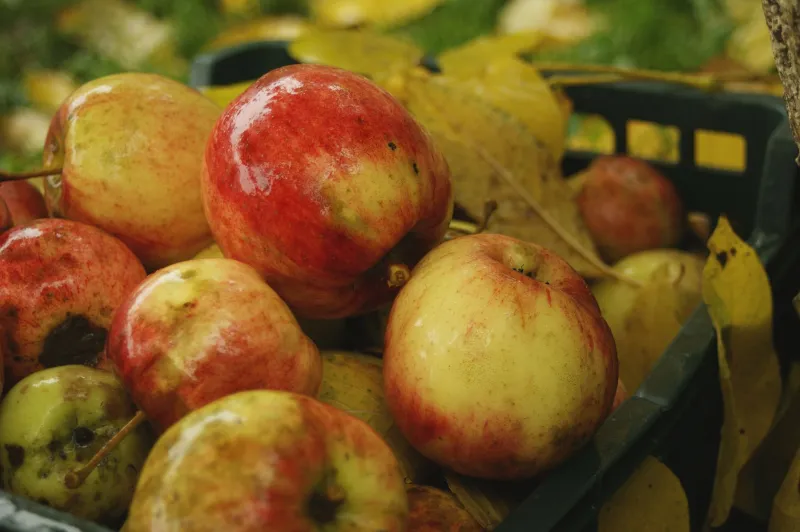
By 10 November, most of the easy fruit has gone. The apples left on Bristol’s public trees are the awkward ones: high up, behind a fence, on a verge where the leaf blower has already been. They will fall, soften, and become a brown smear on a pavement in Knowle or Horfield. Meanwhile, the same households will buy apples shipped from halfway across the world. That is not a supply problem. It is a rules problem.
The fruit is not the problem
Bristol is not short of fruit trees. They are in parks, on allotment edges, in school grounds, along cycle paths and in the forgotten corners of housing estates. Some are old orchards; some are single trees planted with good intentions and then left to fend for themselves. Much of the fruit is edible, free and going spare.
The barriers are familiar to anyone who has tried to organise a pick. Who owns the tree? Who is allowed to say yes? What happens if someone falls off a ladder? Where do you put 200 kilos of apples on a Friday afternoon? And who gets the first crate?
None of these questions is technically hard. They are political and practical at the same time, which is why they get stuck. A city harvest does not need a new food strategy to be written from scratch. It needs a simple protocol that lets people pick fruit without turning every tree into a legal case.
Permission is a patchwork
Public fruit is a misleading phrase. A tree in a council park may be covered by byelaws, a management plan or a vague understanding that picking is probably fine. An allotment edge may belong to the council but be managed by a site association. A school tree may sit behind a locked gate. A housing association tree may be on land nobody wants to claim.
The result is that volunteer gleaners spend weeks sending emails instead of picking. One crew told me they had identified more than 40 trees in a single ward but had written permission for three. The rest were in the maybe pile: maybe the park keeper would allow it, maybe the school business manager would reply, maybe the housing officer would rather not think about it.
Liability is the usual sticking point. Landowners worry about injuries, insurance and headlines. That worry is reasonable, but it is also solvable. A standard permission form, a named contact at the council, a risk-assessment template and an umbrella insurance scheme would unlock more fruit than another funding bid.
What gleaners actually need
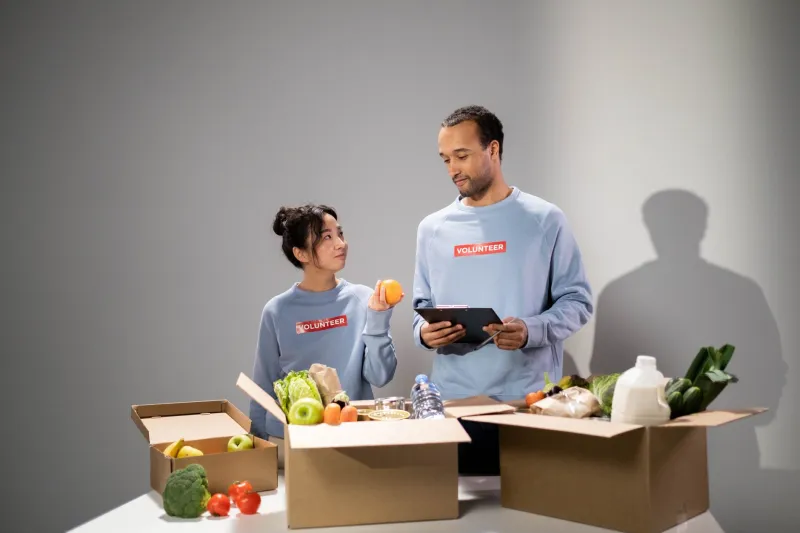
The groups already doing this work are not asking for a van and a salary. They are asking for a yes in writing. They need trained harvest leads, a few sets of long-reach pickers, crates, scales, hi-vis vests and a place to put the fruit. They need to know which trees are safe, which are on private land and which have been sprayed. They need a simple way to record what was picked and where it went.
That is not bureaucracy for its own sake. It is what makes a harvest repeatable. A one-off apple day is lovely. A city harvest is a system.
Storage is the missing shelf
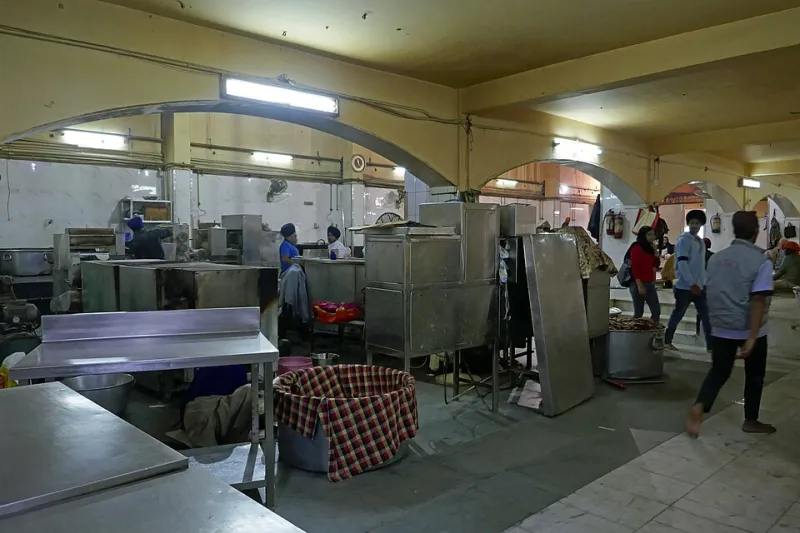
A city harvest without storage is just a photograph of volunteers holding apples. Fresh fruit has a short window. Apples and pears can keep for weeks in the right conditions, but most community spaces do not have the right conditions. Community fridges are brilliant for surplus sandwiches and milk; they are not designed for a tonne of windfalls.
The practical answer is a mix: crates in cool, dark, ventilated rooms; shared cold storage with a local retailer or caterer; a press for juice; a dehydrator for rings and crisps; freezers for puree and stewed fruit. None of that needs to be city-wide on day one. A few hub sites, each with a crate stack and a set of scales, would make an enormous difference.
Who gets the first crate?
This is the question that decides whether a city harvest is food justice or a hobby with good PR. The first crate should go to the people who live closest to the tree, not the loudest volunteer or the slickest project. Local households, community fridges, mutual aid groups and school kitchens should have first call on fruit grown on their doorstep.
A transparent split helps. Half to local households via community fridges and neighbourhood groups. A quarter to the volunteers and processors who did the picking and preserving. A quarter to surplus-food projects and community kitchens. No means testing, no performance of gratitude, no queue that turns a public apple into a favour.
A protocol Bristol could adopt this winter
Bristol does not need to wait for another food-justice charter to do this. It could adopt a right-to-harvest protocol now, with five practical parts.
- Publish a public harvest map. Council parks, housing association land, school grounds and community orchards can opt in. The map shows tree type, rough harvest window, access notes and a contact.
- Standardise permission. One form, one named officer, one clear process for byelaw exemptions and site access. If a site says no, it says no once, not every year.
- Cover liability together. A council-backed umbrella insurance scheme for approved harvests, a risk-assessment template and trained volunteer harvest leads. Not a free-for-all: a permission-first system with clear safety rules.
- Fund the boring stuff. Crates, scales, pickers, presses, cold storage and small grants for community kitchens. The fruit is free; the infrastructure is not.
- Set distribution rules in advance. Local first, transparent splits, no means testing. Publish where the fruit went so the next harvest is easier to defend.
The orchard is already ours
Public fruit is one of the few food assets Bristol already owns. It sits in our parks and school grounds, drops onto our pavements and feeds the wasps. Turning it into shared food is not a romantic idea. It is a practical test of whether the city can use what it has before it buys what it does not need.
The apples are falling. The least we can do is catch some of them.