The Shelf That Talks Back: A Week With Bristol’s Community Fridges

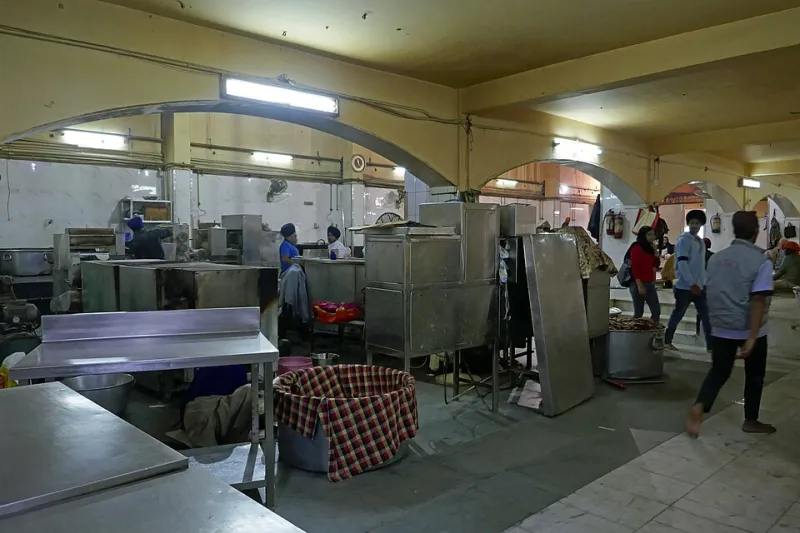
Photo by Photo by Beth Macdonald on Unsplash on Unsplash
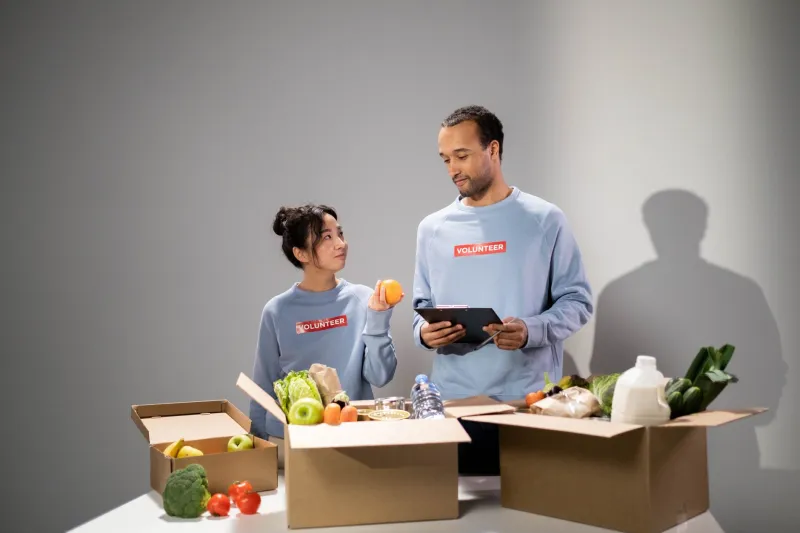
On a damp Tuesday morning in Easton, the community fridge is already busy. A volunteer is stacking bags of bagels beside a crate of cucumbers. There is bread enough to build a small fort. There is no milk. No eggs. No cooking oil. A woman in a raincoat asks quietly whether any rice has come in. The answer is no, not today.
That small exchange says more about Bristol’s surplus food system than any glossy poster about saving waste. The fridge is not just a shelf where odd bits of retail surplus land. It is a live record of what the city wastes, what it donates, and what people actually need. And right now, those three things are not lining up.
What arrives, what disappears
Spend a week around community fridges in Bristol — the church halls, community centres and shop-side rooms that keep this quiet infrastructure going — and a pattern starts to show. The donations that arrive in abundance are often the ones shaped by retail logistics: bakery surplus, bagged salads, cucumbers, potatoes, the occasional tray of pastries. The things that vanish first are the boring, heavy, useful staples: milk, eggs, cooking oil, rice, pasta, tinned tomatoes, beans, cereal, nappies, soap.
This is not a criticism of the volunteers. They are already doing skilled, unglamorous work with limited time and cold storage. It is a criticism of a system that treats surplus as a donation stream rather than a demand signal. Supermarkets clear what they cannot sell. Fridges receive what is offered. Nobody is necessarily asking, in a structured way, what the people walking through the door actually came for.
So the fridge fills with bread and empties of milk. The shelf becomes a mismatch. And the people using it are left to make a meal out of whatever the supply chain has decided to discard that week.
The dignity bit is in the details
Community fridges get a lot right. Most operate on a no-referral, no-means-test basis. You do not have to prove you are poor to take a loaf. That matters. The moment a fridge starts asking for paperwork, it stops being a shared neighbourhood resource and becomes another gate to stand at.
But dignity is not only about access. It is about how people are treated once they are inside. It is about opening hours that fit around work and school runs. It is about not photographing people with their bags. It is about volunteers who say “take what you need” and mean it, rather than hovering to check you are not taking too much. It is about never making someone feel like a grateful recipient in a story someone else is telling.
The opposite of gratitude is agency. And agency starts with being asked what you want.
A wanted list is not a begging bowl
Here is a practical idea that costs almost nothing: every community fridge in Bristol should publish a simple wanted list. Not a wish list for donors’ egos. A short, honest, weekly note: “This week we are short of milk, oil, rice, tinned beans and shampoo. We have plenty of bread.” Stick it on the door. Put it on a QR code. Send it to the local mosque, church, school and shop noticeboard. Ask supermarkets and wholesalers to check it before they load the van.
This is not about telling people what they should want. It is about letting the people who use the fridge set the list. A whiteboard by the door works. So does a simple tally: “What did you come in for today that we did not have?” No postcodes. No eligibility forms. No case studies. Just a running record of the gap between what arrives and what is needed.
Call it an asked-for shelf. If a local bakery has surplus croissants, brilliant — but if the fridge is crying out for eggs, the donation plan should say so. Surplus should serve people, not just clear shelves.
The mismatch is a message for Bristol
This is where community fridges become more than a feel-good story about waste. They become a test of whether Bristol’s food-justice talk is serious. A fridge that publishes a wanted list is saying: we trust the people who use this space to know what they need. A fridge that publishes its opening hours, its gaps and its donation rules is saying: this is infrastructure, not charity theatre.
In 2026, with winter bills still biting and food prices stubborn, that distinction matters. The city does not just need more crates of surplus courgettes. It needs better coordination between the groups holding the cold rooms, the shops generating the surplus and the people who know what a useful bag of shopping looks like. That means funding someone to do the unglamorous linking work — not just applauding the volunteers.
At Bristol Food Union, we keep coming back to the same idea: good food, fair prices, shared power. Shared power is not a slogan on a tote bag. It is letting the person at the fridge door write the wanted list. It is treating takers as experts on their own lives. It is reading the empty shelf as a sentence, not a failure.
Next time you see a community fridge with a gap where the milk should be, do not just think “shame about the waste.” Think “there is the message.” The shelf is talking back. Bristol should listen.