When the Meter Runs the Fridge: Bristol's Winter Food Network Faces Its Coldest Test
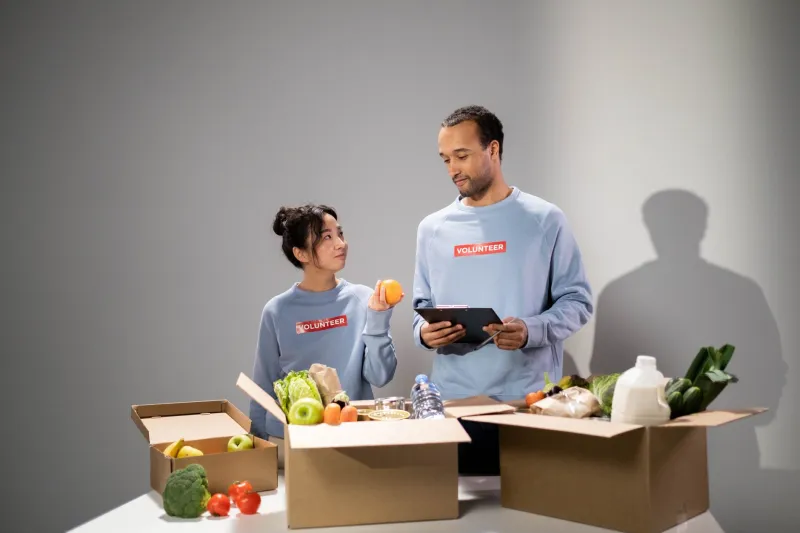
On a grey November morning in Easton, a volunteer props open the door of a community fridge and starts the daily ritual: check the temperature, weigh what has come in, wipe the shelves, text the group chat. The food is free. The electricity is not.
That is the awkward arithmetic at the heart of Bristol's surplus food network as winter 2026 settles in. Across the city, in church halls and community centres, in libraries and tenants' association rooms, a loose and largely unsung infrastructure is preparing for its hardest stretch of the year. The fridges, pantries and warm hubs that many households now rely on are not a single organisation with a single budget. They are a patchwork of small groups, often run by a handful of volunteers, often surviving on project grants, donated equipment and the kind of goodwill that is difficult to invoice.
A network stitched together from goodwill
You can trace the network across Bristol. There is a fridge in a hall in Bedminster, a pantry shelf in Lawrence Weston, a warm hub in a library in Fishponds, a food table in Barton Hill, a church kitchen in St Pauls doing hot drinks and soup. Some are linked to FareShare South West's surplus supply. Some take direct donations from supermarkets. Some are tiny, taking in a few crates a week from a local bakery or greengrocer. Some are open three days a week; some are open when the volunteer who holds the keys is free.
That informality is part of the network's strength. It means a fridge can respond quickly, can know its neighbours, can be shaped by the people who use it. But it also means the system is fragile in ways that don't show up in a nice photo of rescued vegetables. The first UK community fridge opened in Frome about a decade ago, and the model has spread because it works. What has not spread nearly as fast is the core funding needed to keep the lights on, the cold room humming and the coordinator paid.
The cold room is the cost nobody sees
A domestic fridge is not a major expense. A commercial fridge or a small cold room is a different beast. It runs twenty-four hours a day, seven days a week, through the coldest and most expensive months. Add the standing charges, the unit rates, the lighting, the kettle in the warm hub, the heating that has to be on before anyone arrives. Add the fact that many of these spaces are in old buildings with poor insulation and single-glazed windows. The energy bill for a community fridge is not a rounding error. It is often one of the largest recurring costs the group has.
This winter, volunteers are doing the maths they hoped they would not have to do again: can we keep the fridge at the right temperature and still pay the hall rent? Can we open the warm hub for an extra afternoon if the boiler is on its last legs? Can we afford to say yes to a pallet of chilled surplus if it means running the cold room harder? The food may be donated, but the conditions that keep it safe are not.
Free food still has a bill
There is a persistent idea that surplus food projects are cheap because the food itself costs nothing. In practice, the hidden costs are everywhere: gloves, bags, cleaning products, temperature logs, hygiene training, insurance, transport, storage, volunteer expenses, a laptop that works, a phone that someone answers. Someone has to coordinate the rota, chase the donations, turn away food that cannot be safely stored and explain why. That someone is often unpaid, and often exhausted.
Donations are unpredictable, too. A supermarket might send a glut of bread one week and nothing the next. A caterer might cancel. A cold snap can change what people need and what shops have left. The network has to absorb that uncertainty without the cushion of secure funding. When people talk about 'free food', they are usually describing a supply chain that has been quietly socialised: costs pushed onto volunteers, community halls and the goodwill of people who are already busy.
The volunteer battery is running low
Volunteer fatigue is not a side issue. It is the main risk. The same people who open the fridge are often the ones running the warm hub, applying for the grant, sorting the paperwork and checking on neighbours. Many are older, many have jobs, many are themselves using the service. Winter makes everything harder: darker mornings, colder halls, more demand, fewer dry days for moving crates.
Warm hubs are part of the same story. A warm hub is not just a heated room. It is a kettle, a boiler, a licence, a safeguarding policy, a person who can unlock the door and stay. It is a place where someone can sit without buying anything, which is a quietly radical thing in a city where the cost of a coffee can feel like a toll. But warm hubs are being asked to do more with less, and the volunteers are being asked to be infrastructure.
What fair funding and shared power would actually look like
If Bristol wants this network to survive, it needs to stop treating it as a series of plucky projects and start treating it as essential infrastructure. That means core funding, not just short-term project grants. It means multi-year energy support, help with leases, and council-owned spaces that are genuinely affordable to community groups. It means paying coordinators properly, because reliance on unpaid labour is not a business model; it is an extraction of care.
Shared power matters here too. People who use fridges and warm hubs should help decide how they are run. Volunteers should be on funding panels and procurement conversations. The city's cooperative instincts — the same ones that built Bristol's co-op shops and community energy projects — should be applied to food. Not just consultation exercises, but real control over budgets and priorities.
The winter squeeze is not a story about individual scarcity. It is a story about who pays for the infrastructure of care. Bristol's community fridges and warm hubs are already doing the work. The question for 2026 is whether the city will fund the meter, the coordinator and the room — or keep pretending that free food has no bill.