Crates, Cold Rooms and Borrowed Keys: The After-Hours Economy of Bristol Surplus Food

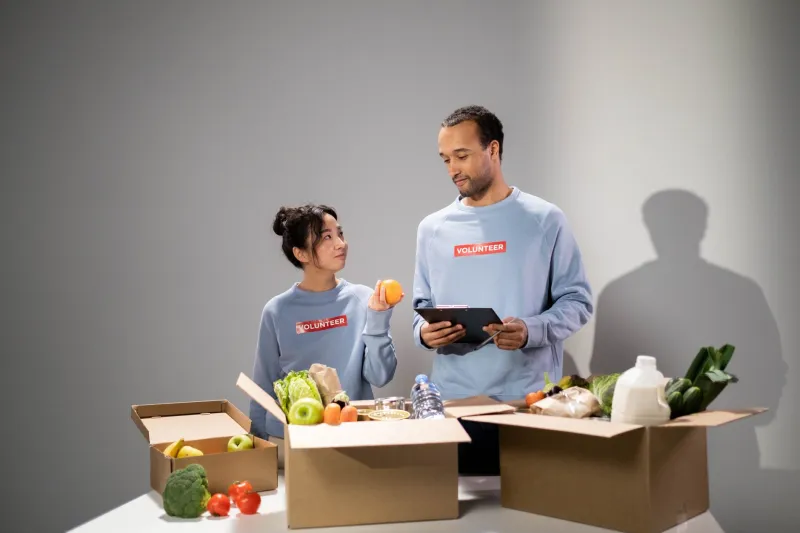
Photo: night volunteers unloading surplus food crates van warehouse UK, via getwallpapers.com
It is just after nine on a Tuesday night in November 2026, and the public has gone home. On an industrial estate somewhere off the Feeder Road, a van door slides open and the real shift begins. Crates of bread, trays of tomatoes, bags of potatoes, a box of yoghurts that need to be in a fridge within the hour. Nobody claps. The work is unglamorous, repetitive and absolutely essential.
Bristol's surplus food scene is often described in daylight terms: volunteers in aprons, queues outside community centres, a cheerful sign saying pay as you feel. That is the visible part. The hidden part happens after the last delivery, when the cold chain has to hold, the rota has to hold, and the dignity of the people who will collect the food tomorrow has to hold too.
The 9pm handover
Surplus food does not arrive on a schedule that suits volunteers. Retailers confirm what is left late in the day. A supermarket might have twelve crates of bread at 8pm and a different twelve at 9.30pm. A wholesaler might ring to say the van is running late. A cafe might have a freezer full of soup that needs collecting before closing. The logistics are not a nice extra. They are the whole thing.
Tonight's run has three stops, two drop-offs and one awkward handover where the key holder is not answering. The volunteers have done this before. They know the loading bay, the code for the gate, the trick with the trolley wheel. They also know that if they miss the cold room window, tomorrow's distribution will be smaller and less safe. Surplus food is a race against spoilage, and the clock starts before the public ever sees a crate.
Cold chain is a fragile promise
Ask anyone who runs a surplus food project what keeps them up at night and you will hear about fridges. Not the romantic kind. The second-hand commercial fridge that trips the fuse. The chest freezer that is full of donated peas and no longer freezing properly. The borrowed van with no refrigeration. The thermometer that nobody can find.
Cold chain is the promise that food which was safe when it was collected is still safe when it is handed over. That promise depends on probe thermometers, clean crates, proper labelling, trained volunteers and enough cold storage. It also depends on money. A shared cold room costs less than each project running its own, but someone has to coordinate it. A backup van sounds like a luxury until the main van breaks down on the M32 and forty crates of chilled food are sitting in a lay-by.
Bristol needs permanent cold-chain infrastructure: a city-wide surplus food hub with shared refrigeration, a small fleet of insured vans, and a standard set of food safety protocols that small projects can actually follow. Not another pilot scheme that ends when the funding does. A piece of the city's food system that is as boring and reliable as a water main.
Rotas held together by goodwill
The volunteer rota is a spreadsheet, a WhatsApp group and a small miracle. Someone has to fill the Tuesday night slot when the usual driver has a cold. Someone has to remember that the community centre needs the crates back by Friday. Someone has to notice that the same three people are doing every late shift and that is not sustainable.
Goodwill is not a logistics strategy. Volunteers are brilliant, but they cannot be the permanent infrastructure. A project that relies on borrowed keys and last-minute favours is one illness away from failure. Bristol needs paid coordinators, at least a couple per project, with proper contracts and decent pay. That might sound like a lot, but compare it to the cost of food waste and the cost of emergency food parcels. The hidden labour of surplus food is already being paid for, just not in wages. It is paid in burnout.
Dignity isn't a bolt-on
There is a moment in every surplus food project when the food stops being a logistics problem and becomes a human one. People arrive to collect. They might be embarrassed. They might be angry. They might have kids with them. They might not want to explain their circumstances to a stranger with a clipboard.
Dignity safeguards are not soft extras. They are operational requirements. That means no means testing at the door. No photographs of people receiving food. No language of leftovers or charity if the project can avoid it. It means choice where possible, privacy where needed, opening hours that work for people on shifts, and food that reflects the cultures and allergies of the community. It means trained volunteers who know how to offer help without making someone feel small.
A surplus food scheme that gets the cold chain right but the dignity wrong is still failing. The two things are connected. A calm, well-organised distribution with enough food and no chaos is itself a form of respect.
What permanent infrastructure would look like
Bristol does not need a heroic new charity. It needs unglamorous permanence. Shared cold storage in each quadrant of the city. A pooled fleet of vans with fuel cards and insurance. Paid logistics coordinators. A single open data system for surplus availability, so projects are not ringing round the same shops at 9pm. Council-owned spaces on long leases. Training that is free and repeated. And funding that covers core costs, not just the photogenic bits.
There is also a co-operative angle worth taking seriously. The projects themselves could own the logistics. A Bristol surplus food logistics co-op, owned by the community groups and volunteers who use it, would keep the infrastructure accountable to the people it serves. It would also stop the constant scramble for short-term grants. That is not a small idea, but it is the logical next step for a city that already knows how to run member-owned shops.
After the last delivery
The last delivery of the night is not the end of the story. It is the test. Did the cold chain hold? Did the rota hold? Did the volunteers get home before midnight? Will tomorrow's distribution be calm and dignified, or will it be held together with tape and apologies?
Bristol's surplus food projects are doing extraordinary work with borrowed keys and goodwill. In 2026, the city should stop asking them to be heroes and start giving them the infrastructure they need. Food redistribution is not a favour. It is part of the food system. Treat it like one.