The Real Cost of a Bristol Carrot: Why Fair Margins Beat Bargain Prices
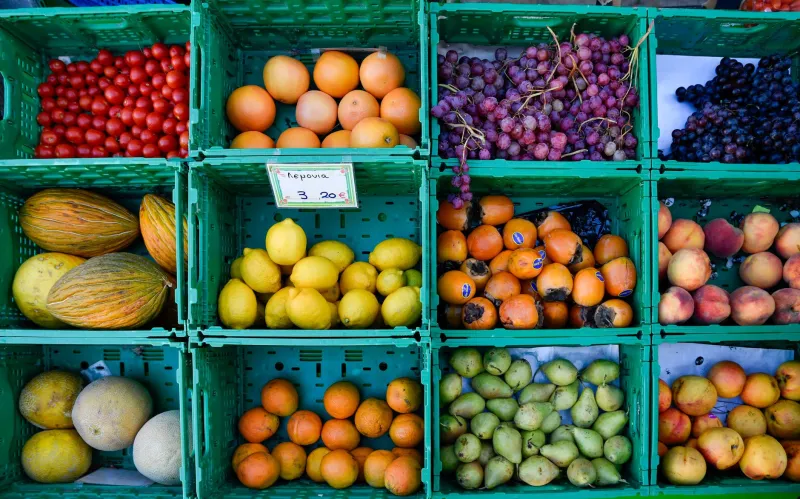
On a Saturday morning in Bedminster, a bowl of carrots can cost less than a bus fare. On Gloucester Road, a loaf of sourdough can cost more than a supermarket meal deal. Neither price is an accident. Both are the result of a chain of decisions about rent, wages, waste and what the grower actually gets paid. If Bristol is serious about food justice, we need to talk about those decisions—not just the number on the shelf.
Cheap is not the same as fair
Affordable food matters. Nobody should have to choose between a bag of onions and topping up the gas meter. But there is a difference between a genuinely fair price and a price that has been made low by pushing costs onto someone else: the grower who sold a pallet of cauliflower for less than it cost to harvest, the baker who bins unsold loaves, the shop worker on a contract that never quite adds up.
In Bristol, independent greengrocers, bakeries and co-operative shops are squeezed between commercial rents and customers whose own bills have gone through the roof. They are not the villains of the story. Often they are the ones trying to hold a decent standard while everyone around them cuts corners. But the pressure to look cheap is real, and it can quietly erode the things that make a food economy worth having.
The four pulls on every price
A shop price is a negotiation between at least four forces.
Rent. A unit on a busy Bristol high street does not come cheap. Business rates, energy, insurance and repairs all land on the same spreadsheet. A shop can only absorb so much before it starts trimming elsewhere.
Wages. Paying the real Living Wage is a choice, and an important one. It also costs money. A shop that pays staff properly may charge more than a competitor that does not. That is not inefficiency; it is a different set of priorities.
Waste. Fresh produce is perishable. A greengrocer who orders too little runs out by Saturday; one who orders too much bins stock on Monday. Good surplus planning—linking unsold food to community kitchens or surplus projects—costs staff time, cold storage and van fuel. It is still better than the bin, but it is not free.
Growers' returns. UK growers have faced volatile energy, labour and weather costs. Supermarkets can squeeze suppliers because they have enormous buying power. Small independents often cannot. If we want local produce on Bristol shelves, the person who grew it needs a margin too.
Margin is not a dirty word
A margin is simply what is left after costs. It pays wages, rent, repairs, pension contributions and the rainy-day reserve that keeps a shop open when the fridge breaks in December. When we demand the lowest possible price, we often demand that someone else absorbs the risk.
Food justice should not be a race to the bottom. It should be a race to the bottom of the receipt: who grew this, who handled it, who sold it, and who got paid along the way. That is why transparent margins matter. Not because every shopper needs a forensic account of a cabbage, but because a fair food system needs visible trade-offs.
A shop could publish a simple breakdown: for every £1 spent, roughly how much goes to the grower, to staff wages, to rent and energy, to waste and surplus, and to the shop itself. That is not radical. It is basic supply-chain literacy. Co-operative shops are especially well placed to do it, because members can approve a fair pricing policy and hold the shop to it.
Questions to ask, politely
You do not need to interrogate a cashier while they are weighing leeks. But if you run a food business, shop at one, or sit on a co-op committee, these questions are fair:
- Who grew this, and can the shop tell me what they were paid?
- Are staff paid at least the real Living Wage?
- What happens to unsold stock—surplus project, staff discount, compost, bin?
- Is this price a temporary loss-leader or a stable, fair price?
- Does the shop publish its supplier terms or a simple margin breakdown?
- Is the business member-owned, worker-owned or family-run, and how are decisions made?
- How much of my £1 stays in Bristol, and how much leaves the local economy?
None of these questions have a single right answer. A small bakery might not know its flour grower's wage, but it can know its mill and its own staff pay. A greengrocer might not publish a full breakdown, but it can explain why the carrots are cheap this week and what that means for the people who grew them.
A Bristol standard worth building
Imagine a Bristol Fair Margin commitment: real Living Wage, published supplier terms where possible, a plan for surplus, and a say for members or workers. Not another logo for its own sake—a practical standard that helps shoppers understand what they are buying into.
A fair price is not always the lowest price. Sometimes it is the price that keeps a grower in business, a baker paid and a shop open. Food justice means affordable food and dignified work, not one at the expense of the other. The next time a carrot looks suspiciously cheap, ask what—or who—made it that way.