The Shift Is Not the Point: Making Bristol’s Co-op Groceries Open to People With No Hours to Spare

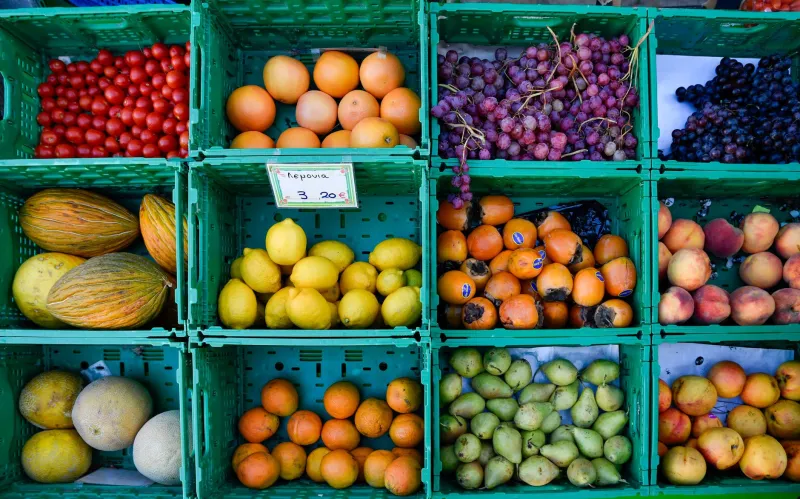
Photo: Tony Webster from Minneapolis, Minnesota, United States, CC BY-SA 2.0, via Wikimedia Commons
A member-owned grocery shop in Bristol puts a modest line in its joining pack: members are asked to do a few hours a month. On paper, it sounds like the whole point. Shared ownership should mean shared work. But ask anyone who is disabled, caring for a parent, on a zero-hours rota, working nights, or managing a health condition that makes each week different, and that line stops looking modest. It becomes a turnstile. You can pay your joining fee, but you cannot get through.
In 2026, with food bills still biting and co-op groceries trying to grow beyond the converted few, this is not a side issue. It is a membership design problem. If Bristol’s co-op shops want to be genuinely democratic, they need to stop treating the monthly shift as the only proof that someone belongs.
The Hours Are a Proxy — and a Poor One
Most co-ops do not invent shift requirements to be cruel. The shift is a proxy. It stands in for commitment, trust and a willingness to share the load. It also keeps the shelves stocked. The trouble is that it measures the wrong thing: predictable free time, not care for the shop or its purpose.
A carer who can never commit to a Saturday morning may still be the person who tests three cheap recipes using the co-op’s own-brand staples, translates the newsletter into Somali, or rings five members when the delivery is late. A disabled member may not be able to lift crates but can read the board papers, join a hybrid governance meeting, or run the phone tree from bed. A shift worker might never make a Tuesday evening induction but could help with a Sunday delivery run once a month.
When a co-op asks only for hours on site, it tells those people, indirectly but clearly, that their contribution does not count. That is not just an access problem. It is a food-justice problem. A membership scheme that selects for free time will end up governed by people with free time, and the shop will reflect their priorities.
What Counts as Work?
The answer is not to abolish contribution. It is to define it more honestly. A co-op can keep the shared-work ethos while building a contribution menu: on-site shifts, yes, but also recipe testing with costed ingredients, accessible-format production, translation, member phone trees, delivery help, stock-checking from home, governance reading, meeting facilitation, and outreach to local groups.
That menu needs boundaries. Not every task is interchangeable. Some jobs need induction, insurance cover or a paid staff lead. A co-op should be clear about which tasks are core operational work, which are skilled, and which are episodic. It should also be honest that if the shop cannot open without unpaid member hours, that is a staffing and business-model question, not a membership test. Flexibility should widen the pool of contributors, not become a way to patch over underfunded operations.
Three Tests for a 2026 Membership Scheme
First, the Tuesday test. Can someone who works every Tuesday evening still complete their membership requirement? If every induction, meeting and social is on a Tuesday, the answer is no. A co-op that only offers one route in has not designed a membership scheme; it has designed a filter.
Second, the carer test. Can contribution happen in short chunks, from home, or with a child present? Is there a named person to talk to about swapping tasks? A contribution menu that exists only as a PDF but has no one answering the phone is not real. Someone needs to own the matching process.
Third, the exit test. If a member becomes ill, loses a care arrangement or starts a new job with unpredictable hours, what happens? Do they lose voting rights and discount after a missed month? A fair scheme needs a hardship pause that is easy to request and does not require a medical confession. Dignity is part of access.
A fourth test is worth adding: the governance test. If remote and episodic contributors can do the work but cannot reach the decisions, the scheme is still tiered. Agendas should go out early. Meetings should be hybrid where possible. Travel and childcare costs should be covered, not assumed. Contribution should lead to power, not just a discount.
A Contribution Menu Is Not a Free Pass
Some members will worry that counting anything means counting nothing. That fear is understandable but usually overblown. Most people want to give something. The problem is that the co-op has only built one door. A contribution menu does not let people off the hook; it asks them to choose a hook they can actually hold.
It also makes the co-op more resilient. If the phone tree is run by someone who never does a shelf shift, that is not a weakness. It is redundancy. If the recipe tester is a member who cannot stand for long periods, the shop gets better information about its own staples. Shared power works better when more kinds of knowledge are in the room.
What Bristol Could Try Next
A Bristol co-op grocery could pilot a contribution audit in 2026. Map every task that currently counts, then ask which ones genuinely require a shift and which are tradition. Survey members who left or never joined. Publish what you find. Then run a six-month trial with a simple contribution log, a named matching contact, and a hardship pause.
The point is not to make membership effortless. The point is to stop making it a test of spare time. A co-op shop should be a door, not a turnstile. The shift was never the point. Shared ownership was. In 2026, the practical question is simple: can someone with no hours to spare still help steer the shop? If the answer is no, the membership scheme is not open yet.