The Fifty-Pence Shelf: Bristol's Own-Brand Staples That Punch Above Their Price
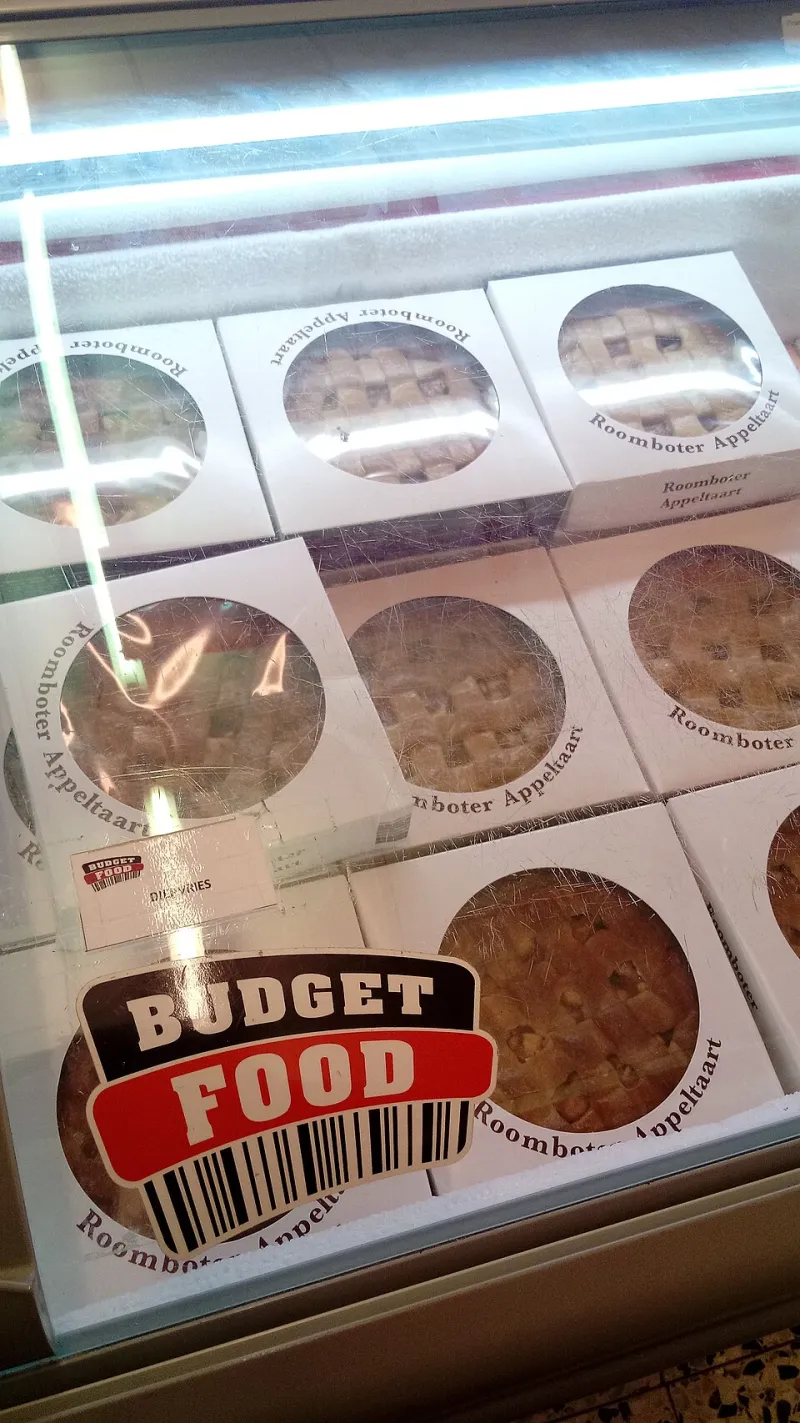
Photo: Donald Trung Quoc Don (Chữ Hán: 徵國單) - Wikimedia Commons - © CC BY-SA 4.0 International.(Want to use this image?)Original publication 📤: --Donald Trung 『徵國單』 (No Fake News 💬) (WikiProject Numismatics 💴) (Articles 📚) 23:34, 31 May 2020 (UTC), CC BY-
Here is a small act of rebellion: look at the bottom shelf. Own-brand staples are often there for a reason — they are the things supermarkets know people need every week, and they are priced to keep you coming back. That does not make them bad food. It makes them the front line of affordable eating in Bristol.
This is not a lecture about being grateful for yellow stickers. It is a practical guide to the own-brand basics that genuinely earn their place in the cupboard: oats, tinned tomatoes, pasta, frozen veg and pulses. The aim is simple. Good food, fair prices, and a bit more shared power over where your money goes.
Oats: the breakfast that costs pennies
Plain rolled oats are one of the least glamorous and most useful things you can buy. Branded porridge sachets are mostly oats plus sugar, salt and marketing. A big bag of own-brand oats will do the same job for a fraction of the price.
Look for plain rolled oats in the budget ranges: Asda's Just Essentials, Tesco's Stockwell & Co, Sainsbury's Stamford Street Co., Aldi's Everyday Essentials and Lidl's own label. You are usually looking at somewhere between 75p and £1.20 for a kilogram, depending on the shop and the week. In independent wholefood shops and some Asian grocers, you can sometimes buy larger bags that work out cheaper per kilo — but check the unit price, because 'big bag' does not always mean 'better value'.
What to look for: just oats. No added sugar, no milk powder, no 'porridge mix'. Use them for porridge, overnight oats with frozen berries, or a crumble topping. A kilogram goes a long way.
Tinned tomatoes: check the tin, not the label
A 400g tin of chopped tomatoes is one of the great levellers of the British kitchen. Own-brand tins often sit between 35p and 60p. Branded tins can be more than double that for a product that is, at its best, tomatoes and tomato juice.
Read the ingredients. Chopped tomatoes should be tomatoes, maybe tomato juice, maybe citric acid. If the tin says 'tomato sauce' or lists sugar high up, you are buying a different product. Plum tomatoes are worth the small upgrade for sauces and slow-cooked dishes. If you have the cupboard space, buying a tray of tins from an Asian or European grocer on Stapleton Road or in Easton can bring the price down further.
Pasta: shape is not a personality
Dried pasta is another bottom-shelf hero. A 500g bag of own-brand penne, fusilli or spaghetti often costs 40p to 80p. The budget ranges are usually made from durum wheat semolina, which is exactly what you want. Wholewheat pasta costs a little more and is worth it if you like the nuttier texture and the extra fibre.
Compare per 100g, not per pack. A bigger bag is not automatically cheaper, and a fancy shape is not automatically better. The real bargain is the plain bag you will actually cook. Pasta plus a tin of tomatoes plus a tin of chickpeas plus frozen spinach is a proper meal, not a compromise.
Frozen veg: the freezer is a food-justice tool
Frozen peas, mixed vegetables and spinach are among the most underrated things in the shop. A kilogram of own-brand frozen peas often lands around £1 to £1.50. Frozen spinach is similar. They are picked and frozen quickly, so the nutrition is good, and there is far less waste than with fresh veg that goes soft in the drawer.
This is where the 'where you shop' question matters. If your only nearby shop is a convenience store with a small freezer, you may pay more for less choice. That is not a personal failing. It is a postcode issue. Support the shops that stock decent frozen basics, and ask the ones that don't why not.
Pulses: the real fifty-pence heroes
Dried red lentils, tinned chickpeas, kidney beans and butter beans are the backbone of cheap cooking. A tin of own-brand chickpeas often costs 50p to 70p. Dried lentils are usually cheaper per portion, but they take time and energy to cook — and that matters if you are watching the meter. Tinned pulses are not a rip-off; they are a convenience worth paying for sometimes.
Asian grocers in Bristol are often excellent for big bags of lentils, chickpeas and rice. Compare the unit price with the supermarket, but also compare the walk, the bus fare and the weight. A 5kg bag of lentils is only a bargain if you can carry it home and you will actually use it.
The Bristol shopping map
- Aldi and Lidl: strong for oats, pasta, frozen veg and everyday basics. Own-brand ranges are broad and usually well priced.
- Asda Just Essentials: a big budget range with a lot of the staples above. Worth checking unit prices against the other big shops.
- Tesco and Sainsbury's: budget own-brand lines are often price-matched, but the shelves are not uniform. The cheapest item may not be in the budget range.
- Co-op: convenient, but often pricier for staples. Use it for top-ups, not the big shop, unless it is your only option.
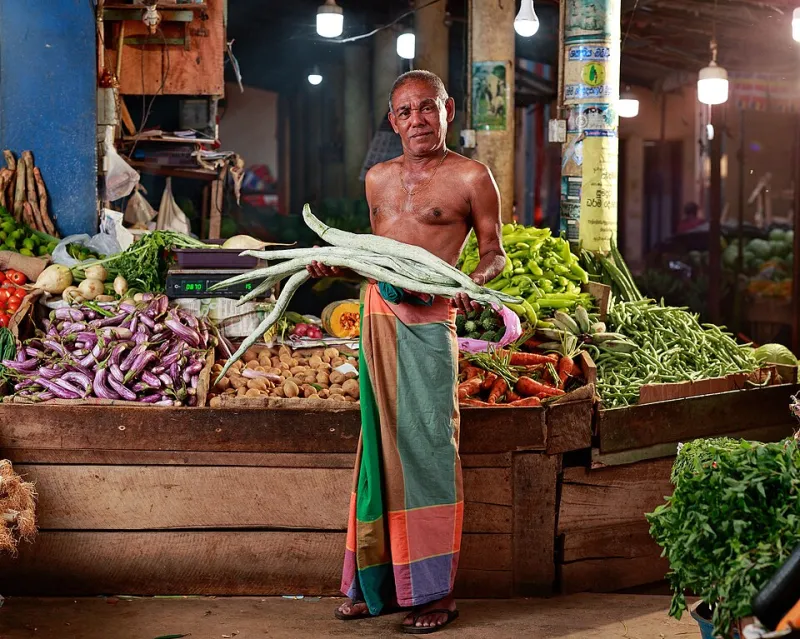
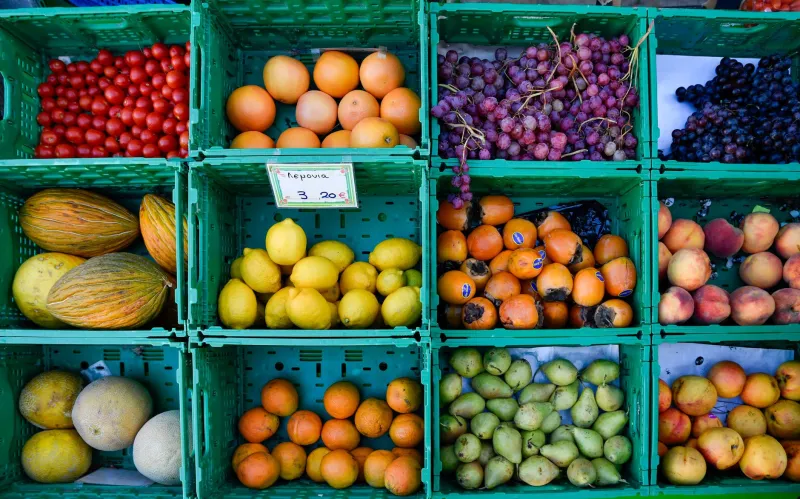
- Independent greengrocers and market stalls: best for seasonal fresh veg. Not always cheaper for everything, but often better value than supermarket fresh produce in season.
- Asian and European grocers: excellent for pulses, rice, tinned tomatoes and larger bags. Stapleton Road and Easton are good places to start.
Where you shop is a food-justice choice
It is easy to frame budgeting as a personal virtue: meal plans, willpower, knowing the price of lentils. But access matters more than willpower. If the cheapest own-brand staples are only in a big supermarket two buses away, that is not a fair choice. If your local shop charges 30p more for a tin of tomatoes because it is the only shop on the street, that is a structural issue, not a character flaw.
So yes, compare prices. Buy the own-brand oats. Keep a couple of tins of tomatoes in the cupboard. But also ask bigger questions. Who controls the price of a loaf? Why are budget ranges often the hardest to find? And what would it take for more Bristol neighbourhoods to have a co-op shop, a market stall or an independent grocer selling good staples at fair prices?
Affordable food does not have to mean poor food. The fifty-pence shelf is not a shameful secret. It is a starting point for a better food system — one where the bargain is not just for the shopper, but for the people who grow, make, sell and share what we eat.