Fifteen Quid, Seven Days: A Bristol November Meal Plan That Keeps Its Dignity
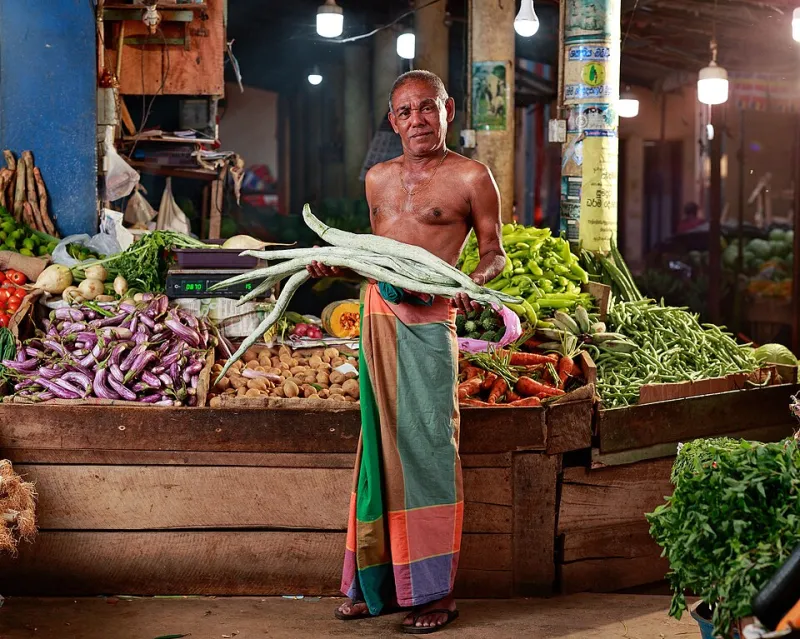
Photo: Curved.kiwix, CC BY-SA 4.0, via Wikimedia Commons
Fifteen pounds for a week of food is not a magic trick. It is a negotiation — with the season, with the shops, and with the daft idea that cheap food has to be sad food. In Bristol this November, the negotiation is easier than it sounds if you lean on cabbage, roots, lentils and the surplus shelves that already exist in this city.
This is not a poverty simulator. It is a plan for anyone whose budget has been squeezed, and for anyone who wants to eat well without pretending the cost-of-living crisis ended. It assumes you have salt, oil and a few spices at home. It assumes you can get to a market or a co-op, or that a neighbour can pick things up. And it assumes something Bristol Food Union keeps banging on about: good food should be shared, not rationed by postcode.
The £15 list
Prices are rough Bristol market and co-op prices in November 2026. They will wobble. Buy what is good, not what is listed.
- 2kg potatoes — £1.80
- 1 large cabbage — £1.20
- 1kg carrots — £0.80
- 2 onions — £0.50
- 1 leek — £0.80
- 1 butternut squash — £1.50
- 500g red lentils — £1.20
- 2 tins chopped tomatoes — £1.40
- 1kg rice — £1.60
- 1kg oats — £1.20
- 1 tin chickpeas — £0.70
- 1 tin beans — £0.80
- 6 eggs — £1.50
Total: £15.00. Yes, really. The eggs are the luxury item. If your local shop charges more, swap the squash for another cabbage and put the difference towards a tin of tomatoes.
Where to shop: St Nick's veg stalls near the end of the day; the surplus boxes and community fridges run by FareShare South West and local mutual-aid groups; FoodCycle Bristol's community meals if you want company as well as calories; and any member-owned grocery that lets you buy dry goods in the quantities you can afford. Our Bristol Food Union noticeboard is also a good place to ask for a spare squash or offer half a bag of lentils.
The week, roughly
Sunday — lentil bolognese. Soften onions and carrots, add lentils, tomatoes and water. Cook until it stops tasting like a hippy penance. Eat with rice. Batch the rest: it is better on Tuesday.
Monday — squash and chickpea traybake. Chop squash, potatoes and leek. Oil, salt, whatever spice is lurking. Roast hard. Tip in chickpeas at the end. Serve with rice.
Tuesday — leftovers with a fried egg. Reheat the bolognese. Fry an egg. Add cabbage sliced thin and wilted in the pan. This is the meal that convinces people that £15 is not the whole story.
Wednesday — carrot and leek soup with oats. Soup for dinner is only depressing if you do not add something chewy. Oats thicken it; toast does not have to be involved. Use the potato water as stock.
Thursday — bean and cabbage stew. Onion, carrot, beans, tomatoes, cabbage. Rice. Big pan. Save two portions.
Friday — egg fried rice with whatever survived. Cold rice, eggs, cabbage, carrot. Soy sauce if you have it. If not, salt and a bit of oil and move on.
Saturday — roast veg and lentils. Whatever roots are left, roasted. Lentils cooked with onion and a bay leaf if you have got one. Eat the last of the cabbage raw with a sharp dressing.
Batch-cooking shortcuts
Cook rice once, cool it fast, keep it in the fridge for two days max. Cook a big pot of lentils on Sunday and use them three ways. Roast a whole tray of roots on Monday and reheat in a pan with a splash of water. Freeze half the bolognese if you have a freezer; if you do not, share it with a neighbour and start a small argument about whether lentils count as a Sunday roast.
Substitutions that do not ruin the week
No squash? Cabbage and potato. No lentils? Split peas or a tin of beans. No eggs? More beans, or a spoon of peanut butter in the stew. No fresh leek? Onion. No rice? Potatoes. No oven? The soup, stew and bolognese all work on a hob. This is not a recipe book; it is a set of moves.
The dignity bit
The point is not to prove you can survive on £15. The point is that £15 can buy a week of meals that do not feel like punishment, and that the city already has the infrastructure to make it less lonely. Surplus food schemes stop good food going to waste. Co-op groceries keep money in the neighbourhood. Community meals turn eating into a shared act.
If you try this plan, buy one extra tin of tomatoes and leave it in a food bank collection or a community fridge. That is not charity; that is the whole system working. And if you have got a better £15 list, tell us. Shared power starts with shared shopping lists.